Blog Back Why You Can’t Achieve 20/20 Hearing with Hearing Aids February 26, 2026 When people think about “perfect” sensory performance, they often refer to 20/20 vision. It’s natural to question whether an equivalent standard exists for hearing — and why hearing aids can’t simply restore hearing to that level. The short answer: hearing and vision function very differently, and hearing loss typically involves permanent structural damage that amplification alone cannot fix. This blog unpacks the science, the technology, and the expectations — with evidencebased explanations from current hearinghealth research. There Is No Such Thing as “20/20 Hearing” Unlike vision, hearing cannot be summarized by a single score. Vision tests measure spatial acuity at a fixed distance, producing an easy-to-understand fraction (like 20/20). Hearing, however, is multidimensional, requiring measurement across frequency (pitch) and intensity (loudness). A single number cannot describe the complexity of hearing function. Whereas glasses can refocus light onto a healthy retina, most hearing loss arises from damage to the inner ear’s hair cells — sensory structures that cannot regenerate. Because of this, no device can restore hearing to its original state. Hearing Aids Do Not Restore Hearing — they help use the hearing that is left to compensate for the hearing loss. Hearing aids amplify sound so remaining hair cells can detect it, but they do not correct or replace damaged innerear structures. This is fundamentally different from eyeglasses, which directly correct the optical error to produce clear 20/20 vision. Even with advanced technology, hearing aids and cochlear implants cannot restore auditory function to normal. They provide significant benefit, but not true replication of natural hearing. Hearing Is Processed by the Brain — and That Takes Time to Relearn Another reason hearing aids cannot instantly produce “normal” hearing is that the brain must relearn how to interpret sound. Users often report that after first wearing hearing aids, everyday sounds — including their own voice — can seem too loud or distorted. This is because the auditory cortex must adjust to signals it hasn’t processed in years, unlike vision, where correction is immediate. This “auditory rehabilitation” period can involve listening exercises (LACE), practice in various environments, and followup fine-tuning by your audiologist. Background Noise Makes Perfect Hearing Impossible One of the hardest tasks for hearing aids is distinguishing speech from background noise. While modern digital aids use AI algorithms, sensors and directional microphones to enhance speech, they still cannot replicate the human earbrain system’s full filtering ability. This means environments like restaurants, parties, and busy streets often remain challenging — not because the device is failing, but because no current technology can mimic the natural complexity of auditory processing. Hearing Loss Is Not Uniform Across Frequencies Vision problems (like nearsightedness) typically affect clarity in a consistent way. Hearing loss, however, often affects specific frequency ranges. For example, a person may hear lowpitch sounds well but struggle with high-frequency consonants like s, f, or th. A single “20/20 hearing” score cannot account for such variability — and amplification can only partially compensate for these uneven patterns. Why We Should Stop Comparing Hearing Aids to Glasses It’s tempting to think hearing aids should work like eyeglasses — simple, immediate fixes. But hearing loss is neurological, structural, and frequencyspecific, making the comparison inaccurate and misleading. Glasses correct predictable optical distortion. Hearing aids enhance sound but rely on impaired biological structures and a brain that must adapt. The expectation of “perfect hearing” sets users up for disappointment. A more realistic goal is better hearing, not normal hearing. Hearing aids provide tremendous benefits — better communication, cognitive support, and improved quality of life. But they cannot: Regenerate damaged innerear cells Deliver perfectly balanced frequency perception Fully filter background noise Recreate natural auditory processing Understanding these limitations help set realistic expectations and encourages users to embrace the rehabilitation journey rather than expecting an instant cure. Share :
Category: Uncategorized
Understanding Tinnitus and the New Lenire Treatment Option

Blog Back Understanding Tinnitus and the New Lenire Treatment Option March 5, 2026 Tinnitus is defined by the World Health Organization as “the perception of sound in the ears or head when no corresponding external sound is present.” According to the National Institute on Deafness and Other Communicative Disorders (NIDCD) it affects approximately 25 million Americans with roughly 5 million of them characterizing it as chronic and burdensome. Unfortunately, around 2 million people find it debilitating. Tinnitus is often described as a ringing, buzzing, hissing, or humming sound, although every patient may experience their own version and describe it differently. This phenomenon remains a symptom with many causes and although a medical cure to literally eliminate tinnitus remains elusive, effective treatments, therapies, and management approaches have all been available for many years. Recently, a groundbreaking development in tinnitus treatment and management was achieved with the release of Lenire, an FDA approved device designed to treat tinnitus and lessen its severity and intrusiveness. To achieve this, Lenire uses a process called bimodal neuromodulation, which simply means it pairs sound stimulation via a set of headphones with gentle, electrical tongue pulses via a tongue tip applicator. This allows Lenire to stimulate two neural pathways, auditory and somatosensory, integral for the therapy to be effective, rather than only the auditory pathway like traditional tinnitus treatments and therapies. Research on Lenire suggests that this combined stimulation approach drives stronger adaptive neuroplasticity, otherwise described as the brain and nervous system’s ability to change and adapt, leading to a much more effective and efficient reduction in the brain’s attention and sensitivity to the perception of tinnitus. Ultimately, the clinical approach with Lenire is to achieve habituation and ease the tinnitus symptoms to a point where they are far more manageable and subtle in intrusiveness and/or perception. An analogy would be to think of this therapy like managing any other chronic condition. Lenire is very effective. When reviewing published research findings, significant improvements can be achieved in as little as 6 weeks. It must be stated that outcomes do vary widely and may take longer to achieve, such as within 12 weeks or more depending on a variety of factors. Based on one published review of a real-world analysis of Lenire, 78% of patients reported clinically significant relief after 6 weeks and 89.2% of patients benefited from treatment with Lenire out of 220 patients with moderate or worse tinnitus based on their own ratings. It’s important to consult with a knowledgeable healthcare provider when experiencing bothersome tinnitus. Speak with an audiologist at Hearing Partners of South Florida for further information and to schedule an appointment. Relief is available and achievable. Share :
The Connection Between Hearing Loss and Hypothyroidism

Blog Back The Connection Between Hearing Loss and Hypothyroidism March 5, 2026 For many people, the most well-known and obvious symptoms of hypothyroidism include fatigue, weight gain, or feeling cold all the time. But did you know that thyroid function can also affect your hearing? While it may not be as widely discussed, research has shown a meaningful connection between hypothyroidism and hearing loss. Understanding this relationship can help you take proactive steps to protect both your overall health and your hearing. What Is Hypothyroidism? Hypothyroidism occurs when the thyroid gland, which is a small, butterfly-shaped gland in the neck, does not produce enough thyroid hormones. These hormones play a crucial role in regulating metabolism, energy production, and the function of many organs throughout the body. Common symptoms of hypothyroidism include: Fatigue Weight gain Depression Dry skin Constipation Cold sensitivity Brain fog Because thyroid hormones influence nearly every system in the body, it’s not surprising that the auditory system can also be affected. How Hypothyroidism Can Impact Hearing Thyroid hormones are essential for proper nerve function and circulation, both of which are critical for healthy hearing. Studies suggest that people with hypothyroidism may experience: Sensorineural hearing loss (damage to the inner ear or auditory nerve) Conductive hearing loss (related to issues in the middle ear) Mixed hearing loss (a combination of both) Tinnitus (ringing in the ears) There are several possible explanations for this connection: Nerve Function: Low thyroid hormone levels can impair the function of the auditory nerve. Fluid Balance: Hypothyroidism may affect fluid regulation in the inner ear, which is vital for sound processing. Circulation: Reduced blood flow can affect the delicate structures of the cochlea. Autoimmune Factors: Conditions like Hashimoto’s thyroiditis (an autoimmune form of hypothyroidism) may increase inflammation that impacts hearing. In some cases, hearing changes are subtle and gradual, making them easy to overlook. Treatment Options for Hypothyroidism The primary treatment for hypothyroidism is thyroid hormone replacement therapy, most commonly in the form of levothyroxine. This medication restores hormone levels to a healthy range and typically improves many systemic symptoms. With proper thyroid management: Energy levels often improve Metabolism stabilizes Cognitive clarity increases In some individuals, hearing may partially improve once thyroid levels are normalized, particularly if the hearing changes were mild and identified early. However, hearing recovery is not guaranteed, which makes early detection important. Treatment Options for Hearing Loss If hearing loss persists despite appropriate thyroid treatment, there are excellent solutions available. Hearing aids are the most common and effective treatment for sensorineural hearing loss. Modern devices are discreet, comfortable, and highly advanced, capable of filtering background noise and improving speech clarity. For more severe cases, cochlear implants may be an option. These devices bypass damaged portions of the ear and directly stimulate the auditory nerve. If tinnitus is present, sound therapy, hearing aids with tinnitus masking features, and counseling strategies can help reduce its impact. The most important first step is a comprehensive hearing evaluation. If you have hypothyroidism and notice difficulty hearing conversations, needing to turn up the TV, or persistent ringing in your ears, it’s wise to schedule a hearing test. A Collaborative Approach to Care Because hypothyroidism affects multiple systems in the body, coordination between your primary care provider, endocrinologist, and hearing specialist is key. Managing thyroid levels while addressing hearing concerns ensures you receive comprehensive, personalized care. If you have hypothyroidism (or suspect you might) and are experiencing changes in your hearing, don’t ignore them. Early evaluation and treatment can make a meaningful difference in your quality of life. We welcome you to contact us today to learn more about the connection between hearing loss and hypothyroidism. Share :
Teenagers and Hearing Aids: What Parents and Teens Should Know
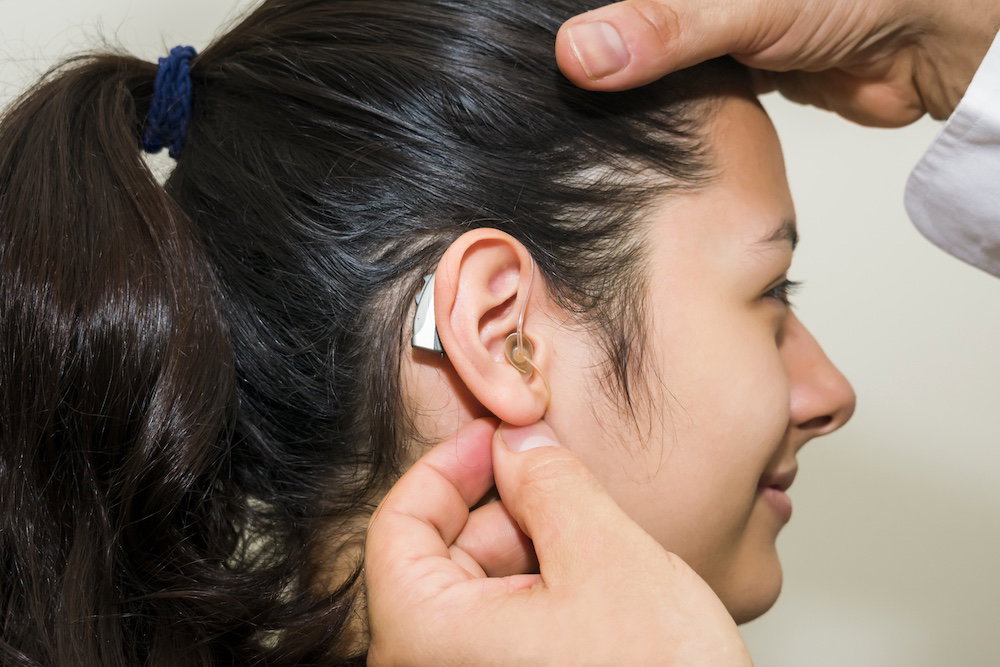
Blog Back Teenagers and Hearing Aids: What Parents and Teens Should Know March 5, 2026 When most people think about hearing aids, they often picture older adults. But hearing loss can affect individuals of all ages, including teenagers. Whether caused by genetics, frequent ear infections, noise exposure, or other medical conditions, hearing loss during the teen years can impact academics, social life, and self-confidence. The good news? With early detection and the right support, teens with hearing loss can thrive. Signs of Hearing Loss in Teenagers Hearing loss in teens can sometimes be subtle or mistaken for inattentiveness or moodiness. Keep an eye out for these common signs: Frequently saying “What?” or asking others to repeat themselves Turning up the volume on TVs, phones, or music louder than usual Difficulty hearing in noisy environments like classrooms or restaurants Complaints of ringing in the ears (tinnitus) Struggling academically, especially with verbal instructions Withdrawing from social situations Appearing frustrated during conversations Because teenagers are often exposed to loud music through headphones/earbuds, concerts, and sporting events, noise-induced hearing loss is increasingly common. If you notice any of these signs, it’s important to take action promptly. What to Do If You Suspect Hearing Loss The first step is scheduling a comprehensive hearing evaluation with a licensed audiologist. A full hearing test will determine whether hearing loss is present, identify its type and severity, and guide next steps. If hearing loss is diagnosed, your hearing specialist will discuss treatment options. In many cases, hearing aids may be recommended. Early intervention is key. Addressing hearing challenges sooner rather than later can help protect academic performance, social development, and emotional well-being. It’s also important to involve your teenager in the process. Open communication helps teens feel empowered rather than singled out. Hearing Aid Options for Teenagers Today’s hearing aids are more advanced and more teen-friendly than ever before. Many devices are small, discreet, and packed with features designed for active lifestyles. Common options include: Behind-the-ear (BTE) hearing aids: Durable and powerful, often recommended for younger patients. Receiver-in-canal (RIC) hearing aids: Smaller and more discreet while still providing excellent sound quality. Bluetooth-enabled hearing aids: Allow direct streaming from smartphones, tablets, and other devices. Can be a good choice for school and social life. Rechargeable models: Convenient for busy teens who may not want to manage small disposable batteries. Many teens appreciate customizable features such as color options or sleek designs. Today’s technology allows hearing aids to blend seamlessly into everyday life. Tips for Teens Using Hearing Aids Adjusting to hearing aids takes time, but a few simple habits can make a big difference: Wear them consistently. Daily use helps the brain adapt to new sounds and improves overall comfort and performance. Keep them clean and dry. Wipe them down each night and store them in a protective case. Avoid moisture exposure during showers, swimming, or sports unless using protective gear. Charge or change batteries regularly. Make it part of your nightly routine to ensure they’re ready for the next day. Protect your hearing. Even with hearing aids, teens should avoid excessive noise and use ear protection at concerts or loud events. Speak up about challenges. If something doesn’t sound right or feels uncomfortable, let your hearing specialist know. Adjustments can almost always be made. Hearing loss during the teenage years can feel overwhelming at first, but it doesn’t have to limit your child’s potential. With proper evaluation, advanced hearing technology, and ongoing support, teenagers can stay connected, confident, and fully engaged in school, friendships, and everyday life. If you have concerns about your teen’s hearing, our team is here to help every step of the way. We invite you to contact us today to learn more. Share :
Does Tinnitus Cause Dementia?

Blog Back Does Tinnitus Cause Dementia? March 5, 2026 The short answer is no – tinnitus does not cause dementia; however, there can be a strong correlation between tinnitus and cognitive decline, making it worth looking beyond a headline to understand the relationship better. Dementia is a clinical diagnosis that refers to a progressive decline in cognitive function severe enough to interfere with daily life. Mild cognitive impairment (MCI) represents an intermediate stage between normal age-related cognitive changes and dementia. Individuals with MCI may experience memory or thinking difficulties, but these changes typically have minimal impact on everyday activities. Tinnitus is the perception of sound with no external sound source. Most commonly tinnitus is a symptom of hearing loss, but it can also be related to non–auditory findings, including neurological and psychological findings, like anxiety and depression. Understanding what tinnitus is, and how dementia differs from MCI, can help us to better understand the correlation, not causation, between tinnitus and dementia. Often those, with age-related hearing loss also report tinnitus perception. We also know that an aging brain and (untreated) hearing loss can increase the cognitive load on the brain, i.e., the brain must work harder to process information. Recent research has shown that treating hearing loss can reduce the rate of cognitive decline by almost 50% (ACHIEVE study), indicating that hearing loss – not the tinnitus itself- is a modifiable risk factor for dementia. Current research cannot definitively say tinnitus causes dementia, but it does show a strong correlation thanks to shared co-factors. Factors that increase the severity of one’s tinnitus can raise the risk of cognitive decline; these factors can range from sleep disruptions and chronic stress to worsening hearing loss. By addressing and treating these additional factors and/or issues, individuals can be proactive in addressing both their hearing health and long-term brain health. Share :
The Future of Hearing Care is Personal and Connected
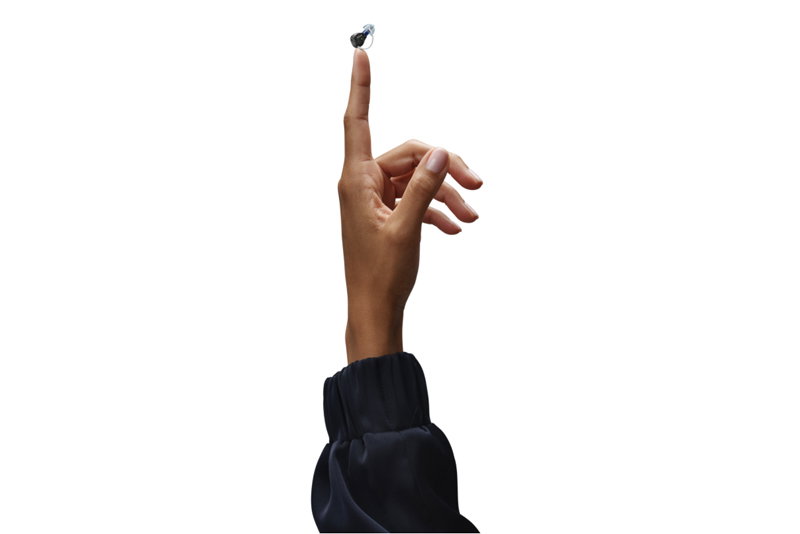
Blog Back The Future of Hearing Care is Personal and Connected March 5, 2026 Better hearing isn’t one-size-fits-all. Modern hearing solutions are designed to fit your life, and to deliver a tailored listening experience. I am excited to introduce you to a new unseen wonder that does just that: Oticon Zeal™. Oticon Zeal is the world’s most discreet, complete hearing aid, and it’s ready for you! Experience better hearing right away With Oticon Zeal, there’s no waiting for custom molds or multiple appointments. Its unique design means you can start your journey to better hearing on the same day as your visit. Walk in, get fitted, and walk out ready to hear more of what matters. Personalized sound that adapts to you Physical fit is just one part of personalization—the real magic happens in sound. Oticon Zeal uses AI-driven sound processing that’s always on, adapting to your environment every moment of every day. From quiet conversations to busy streets, Oticon Zeal helps keep sound clear and balanced. Modern features for a connected life Personalization also means staying connected in the ways that matter most. With Oticon Zeal, you can hear and enjoy the digital world freely on your favorite devices, all day through next-generation Bluetooth® technology*. Ready to take the next step? Don’t just read about Oticon Zeal—experience it for yourself. Oticon Zeal combines flexible fitting with same-day options, discreet design, great sound, rechargeability, and seamless connectivity to give you a solution that feels modern, flexible, and ready for real life. Schedule your visit today and enjoy a free live listening demo. From the moment you put them on, you’ll notice the difference. This is your chance to discover an unseen wonder in hearing technology—because you truly need to hear it to believe it. Call Hearing Partners of South Florida to schedule your visit or CLICK on the blue Contact Us button above. * The Bluetooth® word mark and logos are registered trademarks owned by Bluetooth SIG, Inc. and any use of such marks by Demant is under license. Other trademarks and trade names are those of their respective owners. Oticon and Oticon Zeal are trademarks of Oticon A/S, registered in the United States and other jurisdictions. All rights reserved. Share :