
Blog
Teenagers and Hearing Aids: What Parents and Teens Should Know
- February 15, 2026
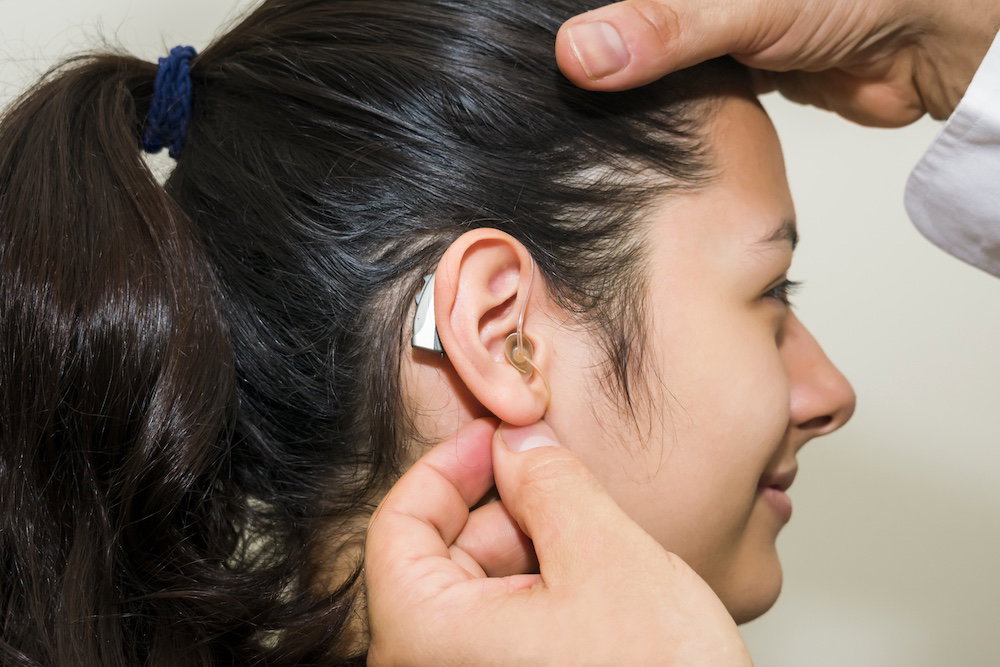
When most people think about hearing aids, they often picture older adults. But hearing loss can affect individuals of all ages, including teenagers. Whether caused by genetics, frequent ear infections, noise exposure, or other medical conditions, hearing loss during the teen years can impact academics, social life, and self-confidence.
The good news? With early detection and the right support, teens with hearing loss can thrive.
Signs of Hearing Loss in Teenagers
Hearing loss in teens can sometimes be subtle or mistaken for inattentiveness or moodiness. Keep an eye out for these common signs:
- Frequently saying “What?” or asking others to repeat themselves
- Turning up the volume on TVs, phones, or music louder than usual
- Difficulty hearing in noisy environments like classrooms or restaurants
- Complaints of ringing in the ears (tinnitus)
- Struggling academically, especially with verbal instructions
- Withdrawing from social situations
- Appearing frustrated during conversations
Because teenagers are often exposed to loud music through headphones/earbuds, concerts, and sporting events, noise-induced hearing loss is increasingly common. If you notice any of these signs, it’s important to take action promptly.
What to Do If You Suspect Hearing Loss
The first step is scheduling a comprehensive hearing evaluation with a licensed audiologist. A full hearing test will determine whether hearing loss is present, identify its type and severity, and guide next steps.
If hearing loss is diagnosed, your hearing specialist will discuss treatment options. In many cases, hearing aids may be recommended. Early intervention is key. Addressing hearing challenges sooner rather than later can help protect academic performance, social development, and emotional well-being.
It’s also important to involve your teenager in the process. Open communication helps teens feel empowered rather than singled out.
Hearing Aid Options for Teenagers
Today’s hearing aids are more advanced and more teen-friendly than ever before. Many devices are small, discreet, and packed with features designed for active lifestyles.
Common options include:
- Behind-the-ear (BTE) hearing aids: Durable and powerful, often recommended for younger patients.
- Receiver-in-canal (RIC) hearing aids: Smaller and more discreet while still providing excellent sound quality.
- Bluetooth-enabled hearing aids: Allow direct streaming from smartphones, tablets, and other devices. Can be a good choice for school and social life.
- Rechargeable models: Convenient for busy teens who may not want to manage small disposable batteries.
Many teens appreciate customizable features such as color options or sleek designs. Today’s technology allows hearing aids to blend seamlessly into everyday life.
Tips for Teens Using Hearing Aids
Adjusting to hearing aids takes time, but a few simple habits can make a big difference:
- Wear them consistently.
Daily use helps the brain adapt to new sounds and improves overall comfort and performance. - Keep them clean and dry.
Wipe them down each night and store them in a protective case. Avoid moisture exposure during showers, swimming, or sports unless using protective gear. - Charge or change batteries regularly.
Make it part of your nightly routine to ensure they’re ready for the next day. - Protect your hearing.
Even with hearing aids, teens should avoid excessive noise and use ear protection at concerts or loud events. - Speak up about challenges.
If something doesn’t sound right or feels uncomfortable, let your hearing specialist know. Adjustments can almost always be made.
Hearing loss during the teenage years can feel overwhelming at first, but it doesn’t have to limit your child’s potential. With proper evaluation, advanced hearing technology, and ongoing support, teenagers can stay connected, confident, and fully engaged in school, friendships, and everyday life.
If you have concerns about your teen’s hearing, our team is here to help every step of the way. We invite you to contact us today to learn more.
Quick Links
Delray Beach Office
Opening Hours:
Monday to Friday: 9am – 5pm
Boynton Beach Office
Opening Hours:
Monday to Friday: 9am – 5pm
Jupiter Office
Opening Hours:
Monday to Friday: 9am – 5pm
Copyright © 2026 Hearing Partners of South Florida. All rights reserved.
